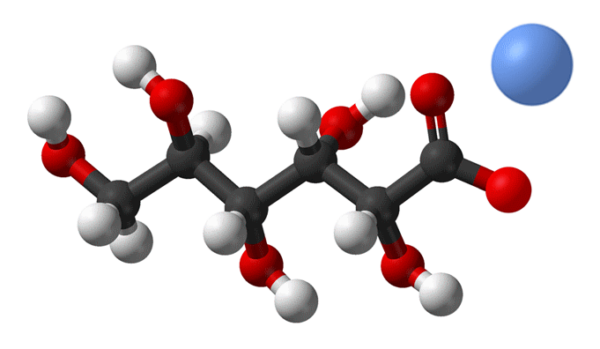
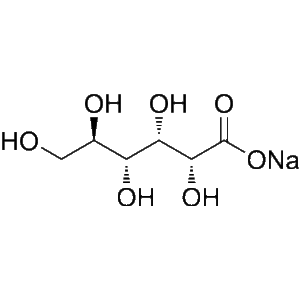
Sodium Gluconate is the sodium salt of gluconic acid. It is a highly effective chelating agent, especially in alkaline conditions, and is widely used in various industries such as food, pharmaceuticals, and construction.
Sodium Gluconate is the sodium salt of gluconic acid. It is a highly effective chelating agent, especially in alkaline conditions, and is widely used in various industries such as food, pharmaceuticals, and construction.
Chemical Properties:
Chemical Formula: C₆H₁₁NaO₇
Molecular Weight: 218.14 g/mol
Density: Approximately 1.54 g/cm³
Solubility: Highly soluble in water, slightly soluble in alcohols.
pH: Neutral to mildly alkaline (pH of a 10% solution is about 6.5 to 8.5)
Physical Characteristics:
Appearance: White to off-white crystalline powder or granules.
Odor: Odorless.
Taste: Slightly salty.
Common Uses:
Construction Industry:
Concrete Additive: Used as a retarder in concrete mixtures, delaying the setting time to allow for proper handling and working of the cement. It also improves the durability and strength of concrete.
Plasticizer: Enhances the workability of concrete without increasing water content.
Food and Beverages:
Food Additive (E576): Acts as a sequestrant, stabilizer, and thickener. It is used to prevent oxidation and improve the texture of certain food products.
Preservative: Helps extend the shelf life of food products by inhibiting spoilage due to oxidation or microbial growth.
Detergents and Cleaners:
Chelating Agent: Effectively binds with metal ions (such as calcium and magnesium), which helps to soften water and enhance the cleaning ability of detergents, soaps, and industrial cleaning products.
Pharmaceuticals:
Medical Applications: Used in the formulation of medications and supplements due to its ability to improve mineral absorption in the body.
Chelation Therapy: Employed in certain medical treatments where it binds to heavy metals in the body for removal.
Water Treatment:
Corrosion Inhibitor: Prevents the formation of scale and corrosion in industrial water systems by sequestering metal ions such as iron and manganese.
Cosmetics and Personal Care:
pH Stabilizer: Used in personal care products like lotions and shampoos to stabilize pH levels.
Moisturizer: Helps to improve skin hydration and maintain moisture balance.
Textile and Paper Industries:
Dyeing and Bleaching: Acts as a stabilizer during the dyeing and bleaching process to prevent discoloration and enhance color retention.
Safety and Handling Considerations:
Safety:
Low Toxicity: Sodium gluconate is considered safe and non-toxic when handled properly. It poses minimal risk to health and the environment.
Non-corrosive: Unlike many industrial chemicals, sodium gluconate is non-corrosive, making it safer to handle.
Handling:
Storage: Store in a cool, dry place, away from moisture and heat. Keep containers tightly sealed to prevent clumping or contamination.
Ventilation: Ensure adequate ventilation when handling large quantities to avoid inhaling dust.
Emergency Procedures:
Spills: Sweep up and dispose of in accordance with local environmental regulations. Avoid generating dust during cleanup.
Exposure: In case of skin or eye contact, wash thoroughly with water. If ingested in large amounts, seek medical attention.
Disposal:
Regulations: Generally regarded as safe for disposal in regular waste streams, but disposal should follow local environmental regulations.
Reviews
There are no reviews yet.
Be the first to review “Sodium Gluconate”Cancel Reply



Reviews
There are no reviews yet.