Sodium Bisulfite (NaHSO₃) and Sodium Metabisulfite (Na₂S₂O₅) are both sulfur-based compounds used widely in industrial applications, especially as reducing agents, preservatives, and disinfectants. Although chemically related, they have distinct properties and uses.
Sodium Bisulfite (NaHSO₃) and Sodium Metabisulfite (Na₂S₂O₅) are both sulfur-based compounds used widely in industrial applications, especially as reducing agents, preservatives, and disinfectants. Although chemically related, they have distinct properties and uses.
Sodium Bisulfite (NaHSO₃):
Chemical Formula: NaHSO₃
Molecular Weight: 104.06 g/mol
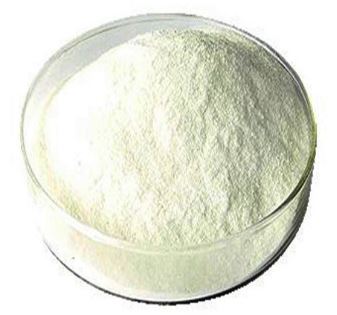
Appearance: White or pale-yellow powder or crystals
Solubility: Highly soluble in water
pH: Acidic in solution, with a pH of around 4.6
Odor: Faint sulfurous odor due to the release of sulfur dioxide (SO₂)
Applications:
Food and Beverage Industry:
Preservative: Used to prevent oxidation and discoloration in food and beverages. It is commonly added to wine, beer, and fruit juices to prevent microbial growth and preserve freshness.
Antioxidant: Prevents browning in fruits and vegetables by inhibiting enzymatic reactions that cause oxidation.
Water Treatment:
Dechlorination: Sodium bisulfite is used to neutralize chlorine in water treatment processes.
Wastewater Treatment: Added to wastewater to reduce the presence of harmful chemicals and metals.
Chemical Industry:
Reducing Agent: Acts as a mild reducing agent in chemical processes, especially in dyeing and bleaching in the textile industry.
Pharmaceuticals: Used to maintain the stability of medications and prevent oxidation.
Photography:
Fixer in Photographic Development: Helps to remove excess silver halide from photographic paper, preserving the image.
Sodium Metabisulfite (Na₂S₂O₅):
Chemical Formula: Na₂S₂O₅
Molecular Weight: 190.10 g/mol
Appearance: White or yellowish crystalline powder with a strong sulfur dioxide odor
Solubility: Soluble in water, forming sodium bisulfite when dissolved
pH: Acidic in solution (pH of about 4-5)
Odor: Strong sulfurous odor (SO₂ release when dissolved)
Applications:
Food and Beverage Industry:
Preservative and Antimicrobial Agent: Commonly used in foods like dried fruits, potato chips, and wine to prevent spoilage, bacterial growth, and oxidation.
Bleaching Agent: Helps maintain the appearance of processed foods by preventing browning and discoloration.
Water Treatment:
Dechlorination: Sodium metabisulfite is used in water treatment to remove excess chlorine, especially in drinking water and industrial applications.
Wastewater Treatment: Utilized to remove heavy metals from industrial wastewater.
Mining Industry:
Cyanide Destruction: In gold mining, it is used to neutralize cyanide before releasing wastewater into the environment.
Textile and Paper Industry:
Bleaching Agent: Used to bleach pulp and textiles during the manufacturing process.
Reducing Agent: Helps to reduce dyes during the dyeing process, allowing for better color fastness.
Pharmaceuticals and Cosmetics:
Stabilizer: Acts as a preservative in pharmaceutical formulations and some cosmetic products to prevent oxidation and microbial contamination.
Chemical Industry:
Disinfectant: Sodium metabisulfite is used as a disinfectant in various industries, including brewing and winemaking, to sanitize equipment.
Differences Between Sodium Bisulfite and Sodium Metabisulfite:
Chemical Structure:
Sodium bisulfite (NaHSO₃) is a monosulfur compound, while sodium metabisulfite (Na₂S₂O₅) contains two sulfur atoms and decomposes to sodium bisulfite when dissolved in water.
Use Cases:
Sodium metabisulfite is often preferred as a preservative due to its higher stability and longer shelf life, while sodium bisulfite is commonly used in water treatment and as a reducing agent.
Handling:
Both compounds release sulfur dioxide (SO₂) when dissolved in water, which can be hazardous in confined spaces or in high concentrations. Proper ventilation and protective equipment are necessary.
Form:
Sodium bisulfite is typically available as a liquid solution, whereas sodium metabisulfite is available as a crystalline powder, making it easier to handle in some applications.
Safety and Handling:
Irritant: Both compounds can cause skin, eye, and respiratory irritation upon exposure.
Sulfur Dioxide Release: They release SO₂ when in contact with water or acids, which can be harmful if inhaled in high concentrations.
Storage: Store in a cool, dry place, away from acids and oxidizing agents, and ensure proper ventilation to avoid the buildup of SO₂ gas.
Reviews
There are no reviews yet.
Be the first to review “SODIUM BISULPHITE / META BISULPHITE”Cancel Reply





Reviews
There are no reviews yet.