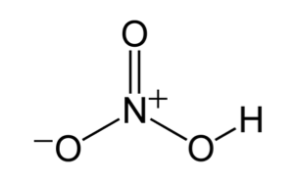
Nitric Acid (Tanker Load) refers to large-scale quantities of nitric acid, a highly corrosive and strong acid used in various industrial applications. When transported in tanker loads, the handling, storage, and safety protocols are critical due to its hazardous nature.
Nitric Acid (Tanker Load) refers to large-scale quantities of nitric acid, a highly corrosive and strong acid used in various industrial applications. When transported in tanker loads, the handling, storage, and safety protocols are critical due to its hazardous nature.
Chemical Properties:
Chemical Formula: HNO₃
Molecular Weight: 63.01 g/mol
Density: Approximately 1.41 g/cm³ (for concentrated nitric acid)
Melting Point: -42°C (-44°F) (concentrated form freezes at this temperature)
Boiling Point: 83°C (181°F) for concentrated nitric acid
Concentration: Typically, nitric acid is available in concentrations ranging from 68% to 70% for industrial use, though other concentrations can be used based on specific applications.
Physical Characteristics:
Appearance: Clear, colorless to yellow liquid.
Odor: Pungent, acrid smell.
pH: Strongly acidic, with a pH of around 1-2 for concentrated solutions.
Common Uses:
Industrial Applications:
Fertilizer Production: Used in the production of ammonium nitrate and other nitrogen-based fertilizers.
Explosives Manufacturing: Key ingredient in the production of explosives like TNT and nitroglycerin.
Chemical Synthesis: Utilized in the synthesis of various chemicals, including dyes and pharmaceuticals.
Metal Processing:
Etching and Cleaning: Employed in the etching of metals and cleaning of metal surfaces in various manufacturing processes.
Water Treatment:
pH Control: Used to adjust pH levels in certain water treatment processes.
Laboratory Uses:
Reagent: Acts as a reagent in various chemical reactions and analyses.
Safety and Handling Considerations:
Safety:
Corrosive Nature: Nitric acid is highly corrosive and can cause severe burns to skin and eyes. It is also harmful if inhaled or ingested.
Protective Equipment: Always use appropriate PPE, including acid-resistant gloves, safety goggles, and face shields. Use chemical-resistant clothing and respiratory protection as necessary.
Handling:
Storage: Store in a cool, dry, well-ventilated area away from incompatible materials such as organic substances and reducing agents. Ensure that storage containers are compatible with nitric acid and are properly labeled.
Containment: Use appropriate containment measures to prevent leaks or spills. Ensure that equipment used for handling nitric acid is made of materials resistant to corrosion.
Emergency Procedures:
Spills: In the event of a spill, evacuate the area and use suitable neutralizing agents (such as sodium bicarbonate or lime) to contain and neutralize the acid. Follow proper cleanup and disposal procedures.
Exposure: In case of skin or eye contact, rinse immediately with plenty of water for at least 15 minutes and seek medical attention. If inhaled, move to fresh air and seek medical help if symptoms persist.
Transportation:
Regulations: Follow all relevant regulations for the transportation of hazardous materials, including those set by organizations such as the Department of Transportation (DOT) or the International Maritime Organization (IMO). Ensure that tankers are equipped with appropriate safety and containment measures.
Documentation: Ensure that all necessary documentation, including safety data sheets (SDS) and transport manifests, are complete and up-to-date.
Disposal:
Regulations: Dispose of nitric acid and its residues in accordance with local, state, and federal regulations. Neutralization and treatment before disposal may be required to minimize environmental impact.
Reviews
There are no reviews yet.
Be the first to review “Nitric Acid (Tanker Load)”Cancel Reply




Reviews
There are no reviews yet.