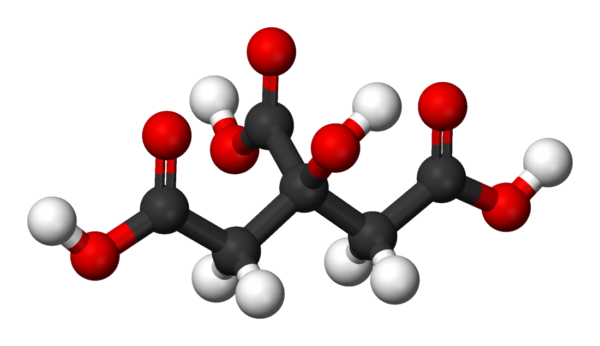
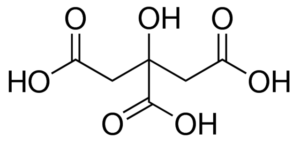
Citric Acid is a versatile organic acid found in various forms, primarily as Citric Acid Monohydrate and Citric Acid Anhydrous. Both forms have similar chemical properties but differ in their water content and uses.
Citric Acid is a versatile organic acid found in various forms, primarily as Citric Acid Monohydrate and Citric Acid Anhydrous. Both forms have similar chemical properties but differ in their water content and uses.
Citric Acid Monohydrate
Citric Acid Monohydrate contains one molecule of water per molecule of citric acid.
Chemical Properties:
Chemical Formula: C₆H₈O₇·H₂O
Molecular Weight: 210.14 g/mol
Density: Approximately 1.665 g/cm³
Boiling Point: Decomposes before boiling; around 175°C (347°F)
Melting Point: Around 100°C (212°F) with decomposition
Physical Characteristics:
Appearance: White, crystalline powder.
Odor: Typically odorless.
Solubility: Highly soluble in water, forming a clear solution.
Common Uses:
Food and Beverages:
Flavoring: Adds a sour taste to foods and beverages.
Preservative: Acts as a preservative by lowering pH and inhibiting microbial growth.
Pharmaceuticals:
Acidulant: Used in pharmaceutical formulations to adjust pH and stabilize active ingredients.
Cleaning Products:
Descaling: Used in household and industrial cleaners to remove limescale and mineral deposits.
Cosmetics:
pH Adjuster: Balances pH levels in cosmetic formulations.
Citric Acid Anhydrous
Citric Acid Anhydrous is citric acid without water molecules, making it a more concentrated form.
Chemical Properties:
Chemical Formula: C₆H₈O₇
Molecular Weight: 192.13 g/mol
Density: Approximately 1.665 g/cm³
Boiling Point: Decomposes before boiling; around 175°C (347°F)
Melting Point: Around 153°C (307°F)
Physical Characteristics:
Appearance: White, crystalline powder.
Odor: Typically odorless.
Solubility: Highly soluble in water, forming a clear solution.
Common Uses:
Food and Beverages:
Flavoring: Similar to the monohydrate, used to impart a sour taste.
Preservative: Used for its preservative properties to control pH.
Pharmaceuticals:
Acidulant: Used for pH adjustment and stabilization in pharmaceuticals.
Industrial Applications:
Cleaning Products: Used in industrial and household cleaning products for descaling and pH adjustment.
Cosmetics:
pH Adjuster: Balances pH in various personal care and cosmetic formulations.
Safety and Handling Considerations:
Safety:
Irritation: Both forms can cause irritation to skin, eyes, and respiratory tract. Proper protective equipment should be used.
Protective Equipment: Use gloves, safety goggles, and a dust mask if necessary when handling large quantities.
Handling:
Storage: Store in a cool, dry place away from heat and moisture. Keep containers sealed to avoid contamination.
Ventilation: Ensure good ventilation in areas where citric acid is used or handled.
Emergency Procedures:
Spills: Clean up spills with suitable absorbent materials and dispose of residues according to regulations. Avoid generating dust.
Exposure: In case of skin or eye contact, rinse thoroughly with water and seek medical attention if irritation persists. Move to fresh air if inhaled.
Disposal:
Regulations: Dispose of citric acid in accordance with local environmental regulations. It is generally safe for disposal in regular waste but check local guidelines.
Reviews
There are no reviews yet.
Be the first to review “CITRIC ACID MONO / ANHY”Cancel Reply



Reviews
There are no reviews yet.