
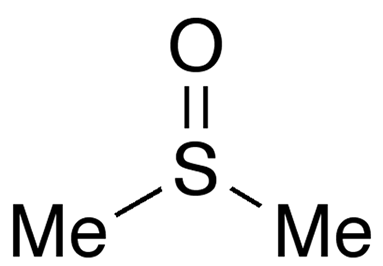
DMSO (Dimethyl Sulfoxide)
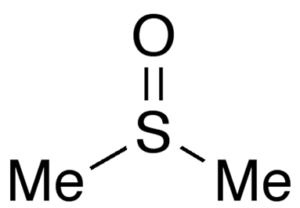
Dimethyl Sulfoxide (DMSO) is an organic sulfur compound known for its remarkable solvent properties, medical applications, and use as a chemical reagent. It is widely used across industries due to its ability to dissolve a wide range of substances and its relatively low toxicity. It also has unique medicinal properties that make it beneficial in certain therapeutic contexts.

Dimethyl Sulfoxide (DMSO) is an organic sulfur compound known for its remarkable solvent properties, medical applications, and use as a chemical reagent. It is widely used across industries due to its ability to dissolve a wide range of substances and its relatively low toxicity. It also has unique medicinal properties that make it beneficial in certain therapeutic contexts.
Chemical Properties:
- Chemical Formula: C₂H₆OS
- Molecular Weight: 78.13 g/mol
- Density: 1.1 g/cm³ (at 20°C)
- Melting Point: 18.5°C (64°F)
- Boiling Point: 189°C (372°F)
- Solubility: Completely miscible with water and many organic solvents (e.g., alcohol, acetone, chloroform, and others).
Physical Characteristics:
- Appearance: Clear, colorless to slightly yellow liquid.
- Odor: Mild, garlic-like odor.
- Viscosity: Viscous, with a relatively high boiling point.
- Hygroscopic: Tends to absorb moisture from the air.
Common Uses:
- Solvent in Chemical Reactions:
- Powerful Polar Solvent: DMSO is valued for its ability to dissolve both polar and non-polar substances, making it an excellent medium for a variety of chemical reactions. It can solubilize organic, inorganic, and organometallic compounds.
- Stable at High Temperatures: Due to its thermal stability, it is frequently used in high-temperature chemical processes.
- Reagent in Organic Synthesis: DMSO plays a role in many reactions, such as the Swern oxidation, where it helps convert alcohols into aldehydes or ketones.
- Medical and Therapeutic Applications:
- Anti-inflammatory Agent: DMSO is used in certain medical treatments due to its anti-inflammatory properties. It is applied topically to reduce pain and inflammation in conditions like arthritis, tendinitis, and muscle injuries.
- Transdermal Carrier: One of DMSO’s most unique features is its ability to penetrate the skin and other biological membranes. This property allows it to deliver other drugs transdermally (across the skin), making it a valuable carrier for drug formulations.
- Pain Relief: It is sometimes used to relieve pain associated with bladder inflammation (interstitial cystitis) or shingles.
- Cryopreservation: In cell biology, DMSO is used as a cryoprotectant to prevent cell damage during freezing, particularly in the preservation of stem cells, sperm, and other biological materials.
- Eye Drops: DMSO is being researched for its potential as an ingredient in eye drops to treat cataracts, though this use is still under investigation.
- Industrial Applications:
- Paint Stripping: Due to its excellent solvent properties, DMSO is sometimes used as a component in paint strippers and varnish removers.
- Polymer Chemistry: DMSO is employed in the production of polymers and resins, serving as a solvent during polymerization processes.
- Cleaning Agent: It is used in some industrial cleaning applications, particularly in electronics and semiconductor manufacturing, due to its ability to dissolve residues and contaminants.
- Pharmaceuticals and Biotechnology:
- Drug Solubilizer: In drug development, DMSO is often used to dissolve compounds that are poorly soluble in water, enabling researchers to test their biological effects.
- Cryoprotectant in Cell Culture: In the cryopreservation of cells, such as stem cells or reproductive cells, DMSO is commonly added to cell culture media to prevent ice crystal formation during freezing.
- Topical Drug Delivery: DMSO’s ability to penetrate skin membranes makes it a vehicle for transdermal drug delivery in pharmaceuticals.
- Laboratory Research:
- Sample Solvent: DMSO is widely used in molecular biology and biochemistry research for dissolving compounds that are difficult to solubilize in water, including certain pharmaceuticals and chemical reagents.
- NMR Solvent: DMSO-d₆ (deuterated DMSO) is commonly used as a solvent in nuclear magnetic resonance (NMR) spectroscopy because it has a relatively low interference with the NMR signals of the compounds being studied.
Health and Safety Considerations:
- Safety:
- Absorption through Skin: One of the key safety concerns with DMSO is its ability to carry other chemicals through the skin into the bloodstream. This makes it essential to handle DMSO with caution, as it can transport toxic substances, including impurities, into the body.
- Eye Irritation: Contact with the eyes can cause irritation. If DMSO is spilled or splashed, it should be washed off immediately.
- Mild Irritation: In some cases, DMSO may cause skin irritation or an allergic reaction when applied topically.
- Toxicity:
- Low Toxicity: DMSO is considered relatively non-toxic, with most acute exposure effects being mild, such as skin irritation or headache. However, due to its solvent properties, it should not be ingested or inhaled.
- Odor: One of the side effects of DMSO use is that it can give the user a garlic-like body odor, which results from the metabolism of DMSO in the body to dimethyl sulfide.
- Environmental Impact:
- DMSO is biodegradable and relatively low in environmental toxicity. However, in high concentrations, it can have a negative effect on aquatic life. Care should be taken to dispose of it according to local environmental regulations.
Handling and Storage:
- Storage: DMSO should be stored in a tightly sealed container, away from moisture and direct sunlight. It is hygroscopic (absorbs water), so exposure to air should be minimized.
- Handling: Gloves and protective eyewear should be worn when handling DMSO to avoid absorption of contaminants through the skin. It should be used in well-ventilated areas to avoid inhalation of fumes.
Applications in Industry and Science:
- Pharmaceutical Industry: Due to its ability to penetrate biological membranes, DMSO is used in drug formulation and delivery systems, especially in the development of pain-relieving creams and anti-inflammatory gels.
- Veterinary Medicine: DMSO is used in veterinary medicine as a liniment for horses and other animals to treat muscle strains, inflammation, and arthritis.
- Agriculture: In some cases, DMSO is used in agricultural settings to deliver plant-protecting agents or fertilizers more effectively.

Reviews
There are no reviews yet.